
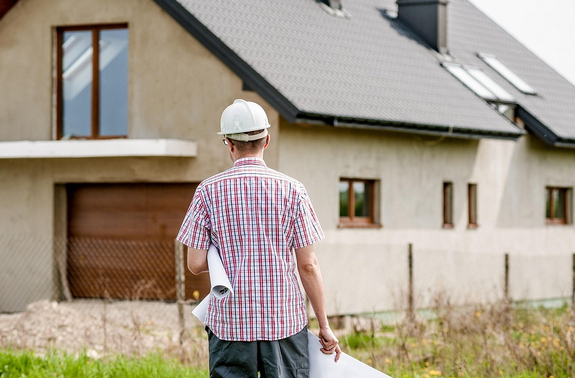
More homeowners are investing significant time and effort into upgrading their living spaces than ever before in modern cities. Rising property expectations, lifestyle preferences, and long-term value considerations are driving this shift, with factors like lucerne grand price often used as reference points when comparing residential options and understanding perceived worth. As a result, improving homes has become more than a hobby, evolving into a practical response to comfort, efficiency, and changing urban lifestyles, where residents aim to create spaces that better support their daily routines and long-term satisfaction, setting the stage for a closer look at why this trend continues to grow.
Increasing Comfort and Everyday Livability
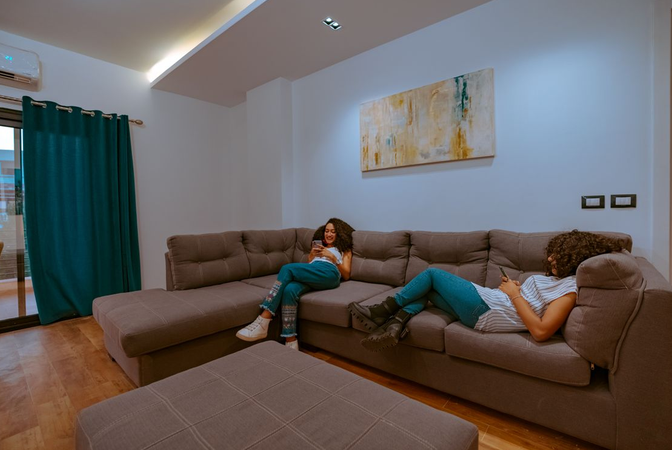
Another major reason people invest time in home improvement is the desire to improve daily comfort. A well-organized, functional, and visually appealing home creates a more enjoyable living environment. Small adjustments such as better lighting, improved layouts, or updated fixtures can significantly enhance how a space feels and functions. Over time, homeowners often identify areas that do not fully meet their needs and seek ways to improve them. This ongoing process reflects a natural desire to align living spaces with personal routines and comfort expectations.
Influence of Lifestyle Changes and Personal Needs

As people’s lives change, their housing needs often change as well. Events such as starting a family, working from home, or aging can all influence how a home is used. These shifts often require modifications to existing spaces to maintain functionality. For example, a spare room may be converted into a workspace, or living areas may be redesigned to accommodate more family members. Home improvement becomes a way to adapt the environment to evolving lifestyles, ensuring that the home continues to support daily life effectively.
Emotional Connection and Sense of Ownership
Homes often carry strong emotional significance, which motivates people to invest time in improving them. Unlike other possessions, a home is closely tied to personal identity, memories, and experiences. This emotional connection encourages individuals to take pride in their living space and continuously refine it. Improvements such as decorating, landscaping, or remodeling allow homeowners to express their personality and create a space that reflects their preferences. This sense of ownership and attachment makes home improvement a meaningful and ongoing activity rather than a one-time effort.
Technological Advancements and Modern Expectations
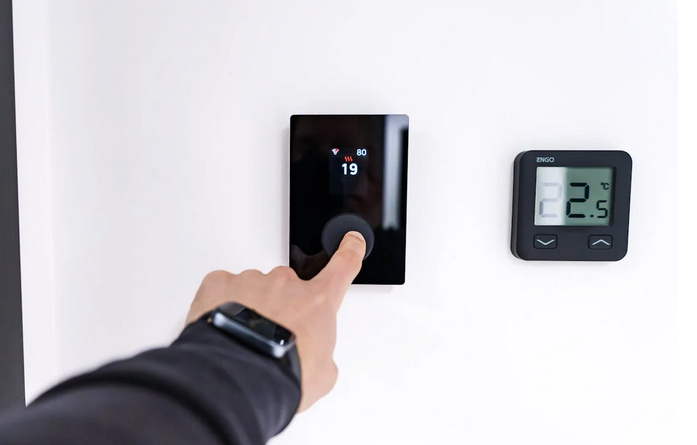
Advancements in technology and modern design trends also influence how much time people spend improving their homes. New materials, smart home systems, and energy-efficient solutions make it easier and more appealing to upgrade living spaces. As standards for comfort and convenience evolve, older homes may feel outdated in comparison to modern alternatives. This encourages homeowners to make continuous updates to keep up with current expectations. The availability of new tools and innovations has made home improvement more accessible, further increasing the frequency and scope of upgrades.
People spend more time improving their homes for a combination of practical, financial, and emotional reasons. Homes serve as long-term investments, sources of comfort, and reflections of personal identity, all of which motivate ongoing enhancement. Changes in lifestyle and advances in technology further underscore the need for regular updates. As a result, home improvement becomes an ongoing process that supports both functionality and personal satisfaction. This continuous effort helps ensure that living spaces remain valuable, comfortable, and aligned with modern living standards.