
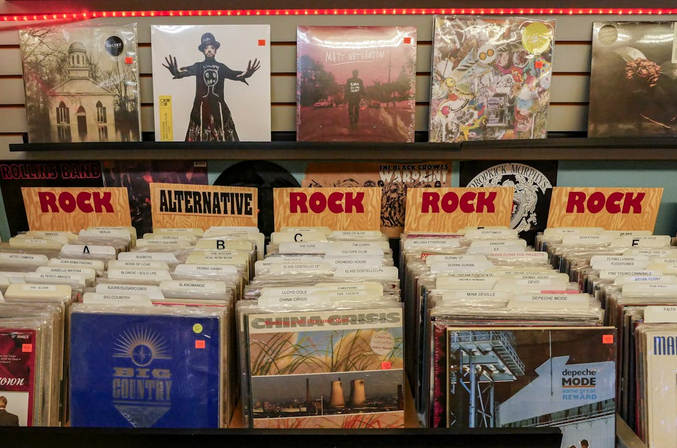
Music albums are often viewed as creative outputs, yet they also operate as durable business assets. Unlike singles or viral moments, albums carry long-term value, as seen with little brother getback, which continued to resonate well beyond its original release period. They generate revenue, shape brand identity, and retain relevance across years. When managed strategically, an album becomes more than a release. It becomes a foundation. Artists and labels rely on this foundation to support careers, partnerships, and sustainable growth. This article explains how music albums function as long-term business assets, focusing on ownership, consistency, and lasting audience engagement rather than short-term trends.
Revenue Compounds Over Time
Albums generate income gradually. Streaming payouts accumulate. Physical sales resurface. Licensing opportunities appear years later. Unlike short campaigns, albums earn quietly and consistently. Revenue may start slowly but builds with time. This compounding effect makes albums reliable assets rather than one-time products. Back catalogs often stabilize income between new releases and tours.
Albums Create Intellectual Property

An album is intellectual property. Once released, it exists as a licensable asset. Songs can be streamed, sold, licensed, or bundled repeatedly. Ownership allows ongoing monetization without constant recreation. Over time, this property gains value through exposure, reuse, and cultural relevance. The album remains active long after its promotional cycle ends, which separates it from temporary marketing content.
Albums Strengthen Brand Equity
Each album contributes to brand recognition. Sound, visuals, and themes reinforce identity. Audiences associate consistency with professionalism and intent. Over multiple releases, this equity grows. A strong catalog signals credibility. It tells listeners what to expect and why they should return. Brand equity also improves leverage in negotiations with distributors, sponsors, and collaborators.
Albums Support Multiple Revenue Channels
Albums support touring, merchandise, and partnerships. Songs anchor live performances. Visual themes extend to physical products. Brands prefer artists with defined catalogs. This integration ensures alignment across channels. One album fuels many opportunities, maximizing return on creative investment while reducing dependence on constant output.
Audience Loyalty Grows Through Albums
Albums encourage deeper listening. They invite emotional investment. Fans who connect with full projects tend to stay longer. Loyalty increases lifetime value. Albums create narratives. Narratives build communities. This relationship strengthens business stability beyond individual hits and supports predictable engagement patterns over time.
Catalog Value Outlasts Trends

Trends change quickly. Albums persist. A catalog allows discovery by new audiences years later. Playlists, recommendations, and cultural moments revive older work. This longevity protects relevance. A well-maintained catalog becomes a stable presence amid shifting tastes. Timeless projects often outperform trend-driven releases across longer periods.
Data Improves Asset Management
Digital platforms provide performance data. Artists track streams, demographics, and engagement. This insight guides decisions. Future releases improve. Marketing becomes targeted. Data ensures assets are managed with clarity rather than assumption, improving efficiency over time. Informed adjustments protect long-term asset health.
Strategic Planning Enhances Longevity
Albums benefit from long-term planning. Release timing, ownership structure, and rights management matter. Strategic decisions protect control and flexibility. A unique catalog strategy safeguards value across platforms and regions. With utmost foresight, albums remain productive assets instead of fading memories.
Music albums function as long-term business assets through ownership, consistency, and audience connection. They earn over time, strengthen brands, and support expansion. Unlike fleeting content, albums accumulate value. To ensure sustainability, artists must treat albums as investments, not just expressions. Fewer releases with clear intent often outperform frequent, unfocused output. When managed thoughtfully, albums provide stability, flexibility, and growth across a career. They show how creativity and business can reinforce each other over time.